
Wildlife on the Cut
The stretch of the Grand Union Canal around Apsley is a quiet haven for wildlife, offering moments of surprise and calm just beyond the surrounding town. Often referred to by boaters as “the cut”, this waterway forms a green corridor where birds, mammals and plants thrive side by side with slow-moving boats and towpath walkers.
Whether you’re strolling along the towpath or cruising gently aboard Tilly — our 30-foot semi-traditional narrowboat based at Apsley Marina — wildlife spotting is one of the great joys of this part of the canal. With a slower pace and fewer distractions, Apsley offers a chance to notice the small details that make canal life so special.
Why the Apsley Waterway Is So Rich in Wildlife
Canals create sheltered environments with calm water, vegetation, and minimal disturbance compared to rivers or roads. Around Apsley, the mix of reeds, overhanging trees, and open banks provides ideal habitats for birds and small animals.
This area benefits from:
Gentle cruising speeds
Green spaces linking town and countryside
Quiet towpaths away from traffic
Consistent water levels
Together, these conditions make the canal a dependable place to spot wildlife throughout the year.
Birds You’re Likely to See Along the Cut
Swans
Swans are a familiar sight around Apsley, often gliding silently through the water or resting along the banks. Their presence adds a sense of calm and elegance to any canal journey.
Ducks, Coots and Moorhens
These waterbirds are active year-round, paddling along the edges of the canal and darting between reeds. They’re especially easy to spot when cruising slowly or pausing near a lock.
Herons
Tall and statuesque, herons are one of the most striking birds on the cut. They’re often seen standing motionless at the water’s edge, waiting patiently for fish.
Kingfishers
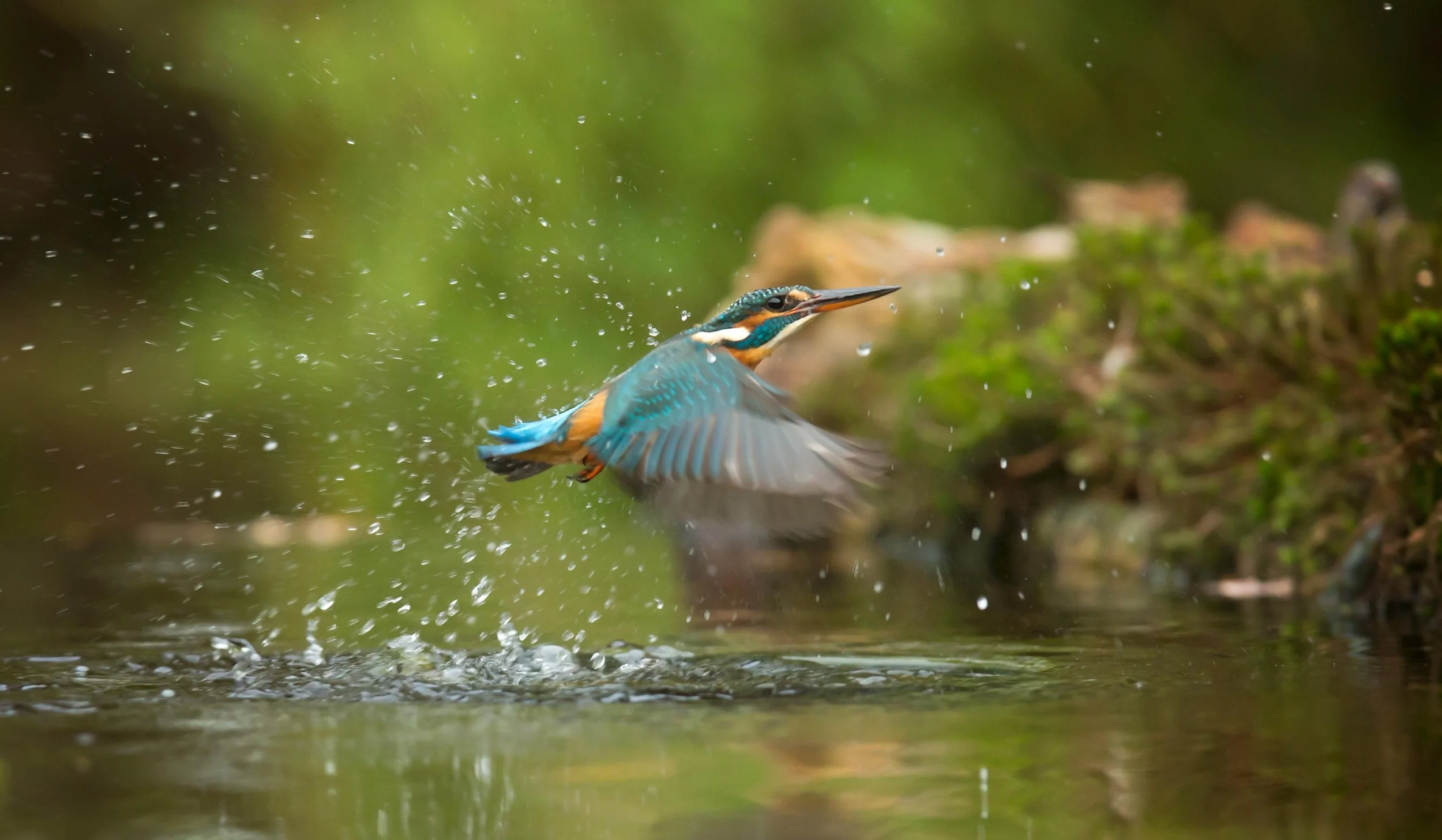
One of the most exciting sightings along the canal, kingfishers appear as a sudden flash of blue skimming low across the water. They’re elusive, but Apsley is a good place to spot them if you’re quiet and observant.
Mammals and Smaller Canal Residents
Water Voles and Small Mammals
Although shy, small mammals make their homes along the canal banks. Early mornings and quieter days offer the best chance of spotting movement near the water’s edge.
Foxes
Foxes are occasionally seen near dusk or early morning, particularly along quieter stretches of the canal. Spotting one feels like a small privilege of slow travel.
Seasonal Changes Along the Canal
Each season brings something different to the Apsley waterway.
Spring: Nesting birds and fresh green growth
Summer: Busy wildlife activity and lush vegetation
Autumn: Falling leaves, softer colours and migrating birds
Winter: Clear sightlines, quiet waters and patient herons
Winter, in particular, is a favourite for wildlife watching due to reduced foliage and fewer people on the towpath.
Why a Boat Is One of the Best Ways to Spot Wildlife
Cruising by narrowboat offers a unique perspective. The slow, steady movement allows wildlife to remain calm, often continuing natural behaviour as you pass.
Guests frequently comment on:
How close wildlife feels from the water
The peaceful rhythm of cruising
The absence of engine noise or speed
The sense of sharing the canal rather than disturbing it
A day aboard Tilly allows you to observe wildlife without rushing, making sightings more likely and more meaningful.
Exploring Apsley by Water
The Apsley stretch of the Grand Union Canal is beginner-friendly, scenic, and ideal for relaxed cruising. It’s also easy to reach, making it a perfect wildlife-focused day out.
You can learn more about booking a trip here:
Hire Tilly for a day or evening trip
Or explore all our canal experiences here:
Canal Boat Day Hire
Conclusion
Wildlife on the cut is one of the quiet pleasures of canal life at Apsley. From graceful swans and watchful herons to fleeting flashes of kingfisher blue, the canal offers moments of connection with nature that feel increasingly rare. Whether you’re walking the towpath or drifting gently along the water, taking time to notice this wildlife adds depth, calm, and meaning to every canal journey.