
The Whitchurch Canal Breach
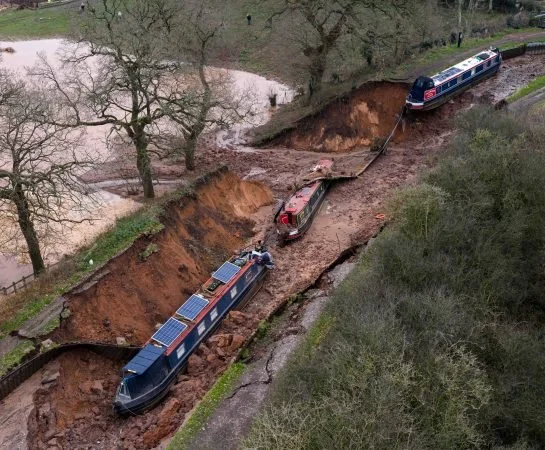
The recent canal breach near Whitchurch has drawn significant attention within the UK boating community — and well beyond it. What began as a local infrastructure failure quickly became a point of discussion among narrowboat enthusiasts, waterway historians, and inland boating fans overseas.
Britain’s canals are often seen as timeless and tranquil, but the Whitchurch breach is a reminder that these historic waterways are living systems that rely on constant care and investment. When something goes wrong, the effects ripple far beyond the immediate area, impacting navigation, communities, and even international perceptions of the UK canal network.
What Happened at the Whitchurch Canal Breach?
A canal breach occurs when part of the canal bank or embankment fails, allowing water to escape rapidly from the channel. In Whitchurch, the breach caused a sudden loss of water, forcing the closure of the affected stretch and triggering emergency response and repair planning.
Breaches are rare but serious, and they often result from a combination of factors such as:
Prolonged heavy rainfall
Ground saturation and erosion
Ageing canal infrastructure
Undetected weaknesses within embankments
Once a breach occurs, repairs are complex. Engineers must stabilise the surrounding land, rebuild the canal structure, and carefully reintroduce water to avoid further damage.
Why This Breach Has Gained International Attention
What makes the Whitchurch incident particularly notable is the level of attention it has received outside the UK. British canals — and narrowboat travel in particular — are extremely popular with overseas boating enthusiasts, especially in Germany, where slow travel, inland waterways, and heritage cruising have a strong following.
The breach has been discussed internationally, including coverage and commentary shared via Seereisenportal, run by Dan. His platform regularly features inland and maritime travel experiences, and the Whitchurch breach has been highlighted as an example of both the appeal and the vulnerability of Britain’s historic canal network.
For many German narrowboat enthusiasts, UK canals represent a unique form of travel — hands-on, slow-paced, and deeply connected to landscape and industrial heritage. News of the breach has therefore resonated well beyond local boating circles, prompting interest in how Britain maintains waterways that are admired across Europe.
The Impact on Boaters and Local Communities
For boaters, a canal breach is more than an inconvenience. It can disrupt long-planned journeys, affect hire operators, and create uncertainty for liveaboards and leisure users alike. Local businesses that rely on canal traffic — cafés, pubs, shops and visitor attractions — often see a noticeable drop in footfall during closures.
Common impacts include:
Restricted navigation for extended periods
Reduced tourism and visitor numbers
Environmental disruption along the canal corridor
Increased pressure on alternative cruising routes
These effects underline how deeply canals are woven into both leisure culture and local economies.
What the Whitchurch Breach Tells Us About Canal Maintenance
Much of Britain’s canal network is over 200 years old. While remarkably resilient, it depends on continuous inspection, maintenance, and investment to remain safe and navigable.
The Whitchurch breach highlights the importance of:
Proactive embankment monitoring
Investment in preventative maintenance
Rapid response when weaknesses are identified
Public awareness of how canal upkeep is funded
It also brings renewed focus to the vital work carried out by the Canal & River Trust and specialist engineers who safeguard thousands of miles of waterways across the UK.
Why This Matters to Leisure and Day-Hire Boaters
For those enjoying canals through leisure boating or day hire, incidents like Whitchurch may feel distant — but they directly shape the future of the waterways we enjoy. Awareness helps build appreciation for the infrastructure that allows safe, peaceful cruising to continue.
At Canal Boat Day Hire, based at Apsley Marina in Hertfordshire, we often speak with guests who are fascinated by the engineering and history behind the canals. Understanding events like the Whitchurch breach adds depth to that experience, reminding us that the calm surface hides a carefully managed and constantly evolving system.
You can explore canal experiences here:
Hire Tilly for a day or evening trip
Or browse all options here:
Canal Boat Day Hire
The Global Appeal of Britain’s Canal Network
That a canal breach in a small English town can spark discussion in countries such as Germany says a great deal about the international affection for Britain’s waterways. Narrowboat travel is particularly popular with German visitors, who value the combination of nature, engineering heritage, and unhurried travel that UK canals offer.
The Whitchurch incident has become a talking point not because of drama alone, but because it highlights how carefully these historic systems must be maintained to preserve something that is enjoyed — and respected — far beyond the UK.
Conclusion
The Whitchurch canal breach is a powerful reminder that Britain’s canals are living, working landscapes rather than static backdrops. While disruptive, incidents like this draw attention to the expertise, care, and global interest invested in maintaining these historic waterways. From local boaters to international enthusiasts following developments from overseas, the response shows just how valued the UK canal network remains — and why protecting it matters for generations to come.