
How to Moor a Canal Boat Safely and Confidently
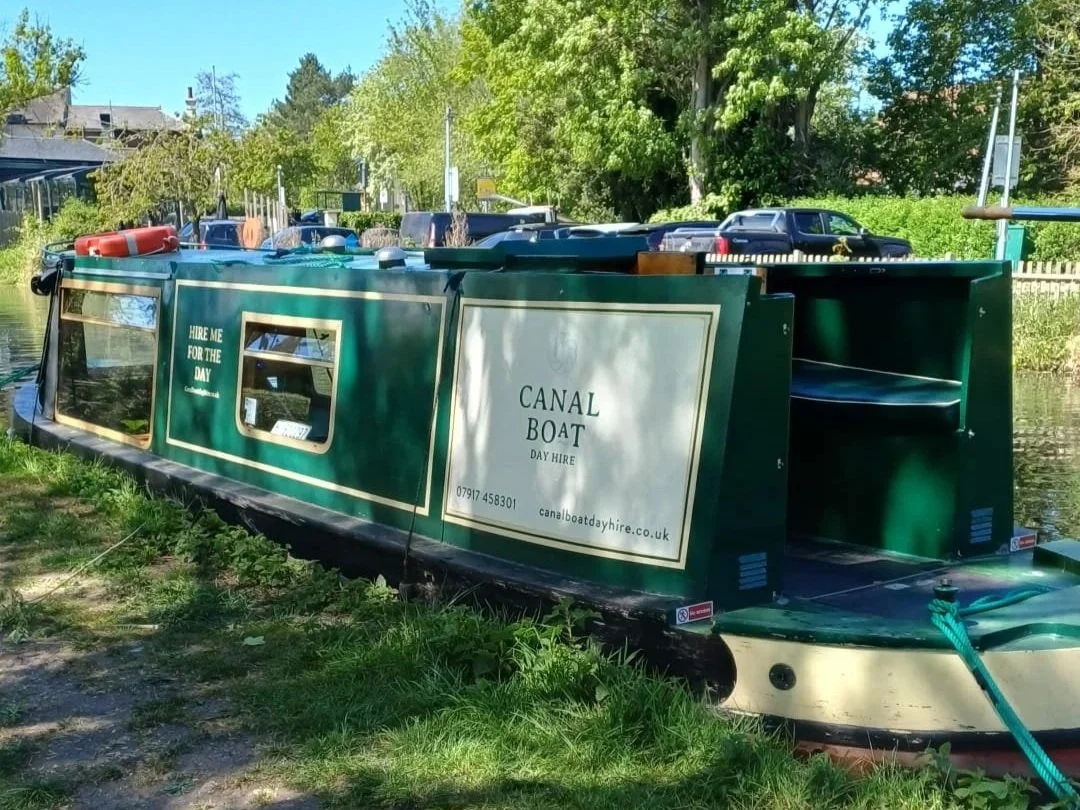
Tilly the Narrowboat on the towpath in Apsley, Hemel Hempstead
Mooring a canal boat is slow, controlled, and far simpler than it looks. With gentle speeds, clear steps, and good communication, most first-time boaters feel confident after their first attempt. At Canal Boat Day Hire, Apsley Marina in Hertfordshire, mooring is explained clearly during the handover, and support is always available if you need reassurance.
This guide breaks down the process so you know exactly what to expect.
Why Mooring Feels Easier on Canals
Canal boats move at walking pace and respond gradually, which removes the pressure you might associate with docking elsewhere. There’s time to think, adjust, and correct without stress.
Mooring is easier because:
Speed is low and controlled
Water is calm and predictable
Corrections can be made gently
There’s no rush or traffic pressure
Confidence comes from taking it slowly.
Choosing a Safe Place to Moor
Before you begin, pick a sensible spot. Good mooring locations are straight, visible, and away from hazards.
Look for:
A clear towpath edge or designated mooring rings
Space away from locks, bridges, and bends
Firm ground for stepping off safely
Enough room for other boats to pass
If you’re unsure, it’s always fine to continue a little further until the right place appears.
The Step-by-Step Mooring Process
Mooring follows a simple, repeatable sequence:
Slow right down well before the bank
Approach at a shallow angle, keeping control
Stop gently alongside the bank
Secure the boat with ropes at the front and back
Adjust tension so the boat sits comfortably
Small movements are all that’s needed. There’s no need to force the boat into position.
Using Ropes Safely
Ropes are your main control once the boat is alongside. During your briefing, you’ll be shown exactly how to use them.
Key points include:
Stepping off carefully — never jumping
Keeping hands and feet clear of pinch points
Securing ropes without overtightening
Leaving enough slack for natural movement
Everything is done calmly, with no rushing.
Communication Makes It Simple
If there’s more than one person onboard, mooring becomes even easier with clear communication.
Helpful habits include:
Agreeing roles before you approach
Speaking clearly and calmly
Avoiding sudden movements
Taking instructions slowly
Mooring works best as a shared, unhurried task.
Common Beginner Worries (and Why They’re Not a Problem)
Many first-time boaters worry about “getting it wrong”. In reality, most mistakes are gentle and easily corrected.
Common concerns include:
Approaching too slowly (this is actually good)
Being slightly off position (easily adjusted)
Taking time to secure ropes (no issue at all)
There’s no expectation to be perfect — just steady and safe.
Mooring With Children or Groups Onboard
For families and small groups, mooring is usually handled by one or two adults while others remain safely onboard.
Children should:
Stay clear during the manoeuvre
Be supervised at all times
Help only if appropriate and guided
This keeps the process calm and controlled.
What You’re Shown During the Handover
Before you ever need to moor on your own, it’s fully explained during the handover.
You’ll be shown:
Where and how to moor safely
How to handle ropes
What to avoid near banks and edges
How to take your time confidently
You won’t be left unsure — and help is always available during the day if you want advice.
Confidence Comes Quickly
Most guests are surprised by how quickly mooring feels natural. By the second or third stop, it often becomes one of the most satisfying parts of the day — a quiet pause, a chance to relax, and a moment to enjoy the surroundings.
You can learn more about booking a relaxed day on the water here:
Hire Tilly for a day or evening trip
Explore all canal experiences here:
Canal Boat Day Hire
Conclusion
Mooring a canal boat safely and confidently is all about slowing down, choosing the right spot, and following a simple process. With clear guidance during your handover, calm waterways, and support available if needed, it’s a skill that most beginners master quickly. Once you realise there’s no rush and no pressure, mooring becomes just another enjoyable part of life on the canal.